





Standard home systems usually use one main controller. A central gas boiler or electric unit sends hot water to all radiators based on the reading from just one room. Often, this single room is the hallway. Because of this, other rooms get an inaccurate amount of warmth. For example, the kitchen might become too warm while the bedroom stays cold. Upgrading to a zoned heating system solves this technical problem. It allows you to set a specific heat level for every single room independently. You can do this without changing your existing pipes or breaking your walls.
Specific heat metrics for different rooms
Different parts of the house need different heat settings. This depends on human biology and daily activities.
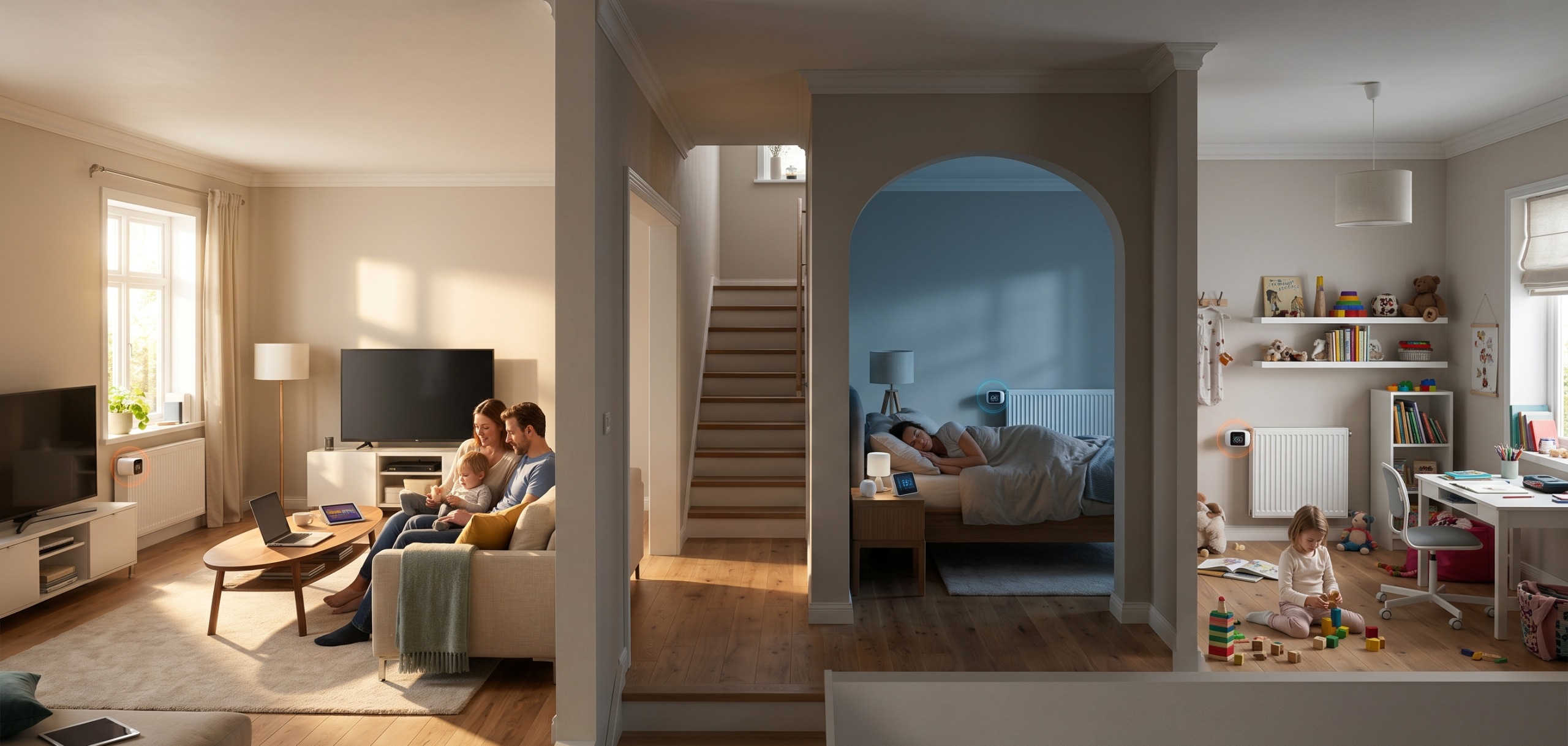
- The bedroom: Sleep organizations state that the best heat level for a bedroom is between 18 and 19 degrees Celsius. A cooler room helps the human body lower its internal heat. This process is necessary to fall asleep quickly and enter the deep sleep stage. If the bedroom stays above 22 degrees Celsius, people often wake up during the night and feel tired in the morning.
- The children’s room: A child’s room is a place for sleeping, playing, and studying. Doctors usually recommend a steady heat level of 21 to 22 degrees Celsius during the day. This keeps children warm enough while they sit at a desk or play on the floor. For the night, parents can set the system to automatically drop the heat to 19 or 20 degrees Celsius.
- The living room: The living room usually holds more people. It also has electronic devices like televisions and computers. These devices create extra warmth. The standard recommendation for this room is 20 to 21 degrees Celsius. This setting stops the room from overheating when family members spend time together in the evening.
Hardware for wireless room control
To control each room, you need modern devices that use radio signals (like 868 MHz). These devices send data to each other without wires.
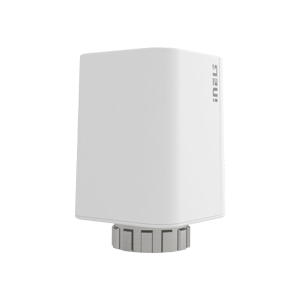
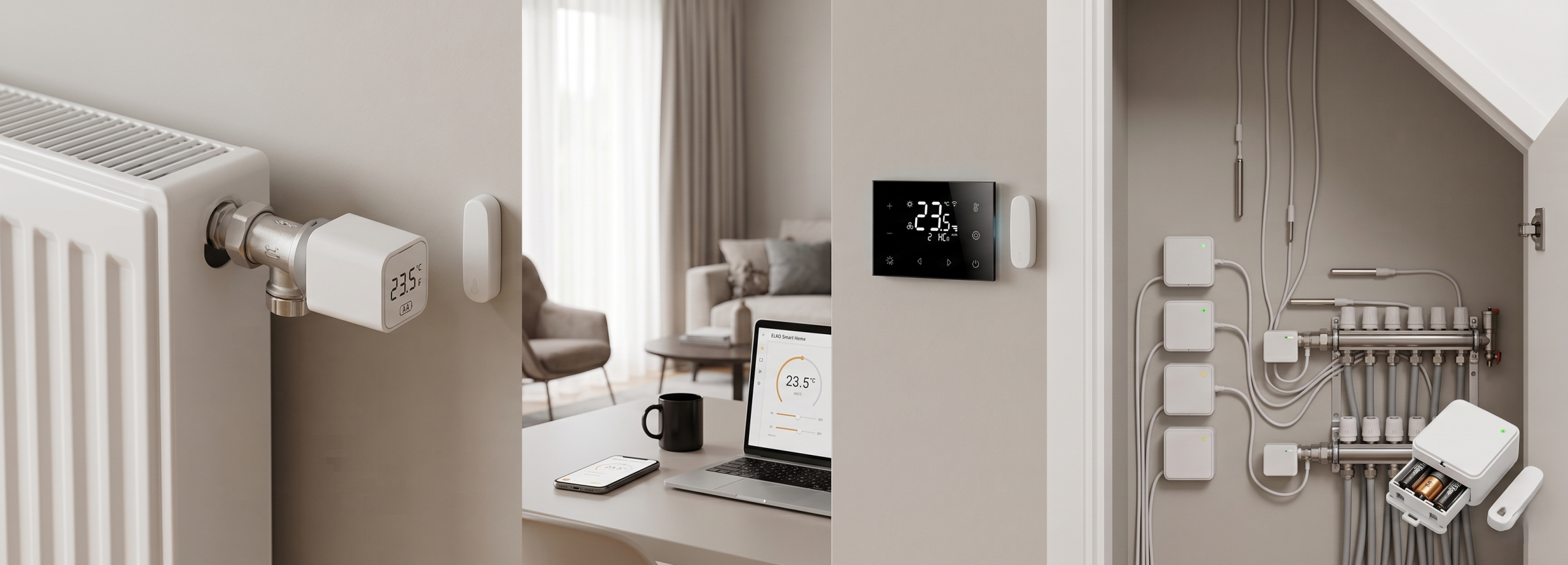
Wireless Thermovalves (e.g., RFATV-2)
These are small machines powered by standard AA batteries. They replace the old manual plastic heads on your radiators. Inside the thermovalve, a small motor pushes the metal pin of the radiator valve. This physical movement limits or increases the amount of hot water that enters the radiator panel.
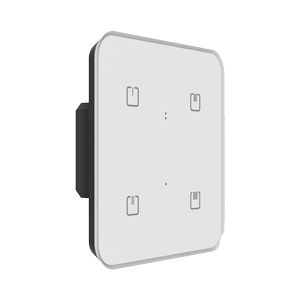
Glass Touch Thermostats (e.g., RFTC-6/B or RFTC-4/W)
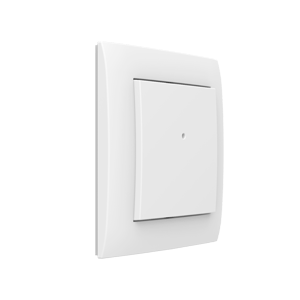
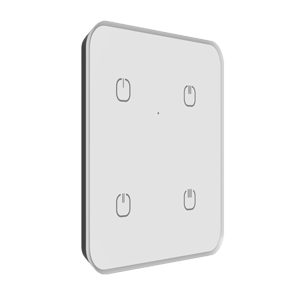
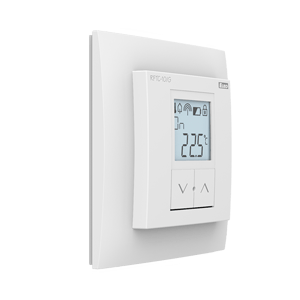
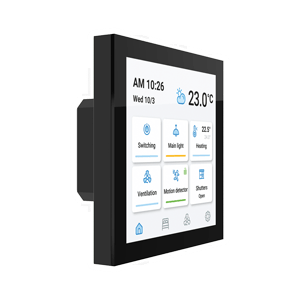
A thermovalve measures the air close to the hot metal radiator. This can cause reading errors of 2 to 3 degrees. To get accurate numbers, you install a wireless thermostat on the wall. Modern options use black or white glass touch panels. They measure the exact heat level in the middle of the room. After taking the measurement, they send a radio signal to the thermovalves to adjust the water flow.
Switch Units (e.g., RFSTI-11B-SL)
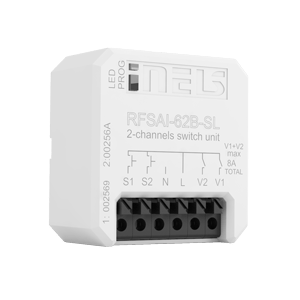
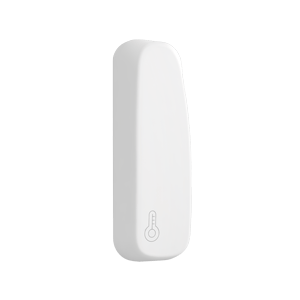
If your home has underfloor water pipes instead of wall radiators, you use a wireless switch unit with an external heat sensor. This unit connects to the main underfloor manifold. It physically opens and closes the electrical circuits based on the numbers it receives from the room thermostats.
The installation process
You do not need to do any heavy construction work to install these devices.
Changing the valves
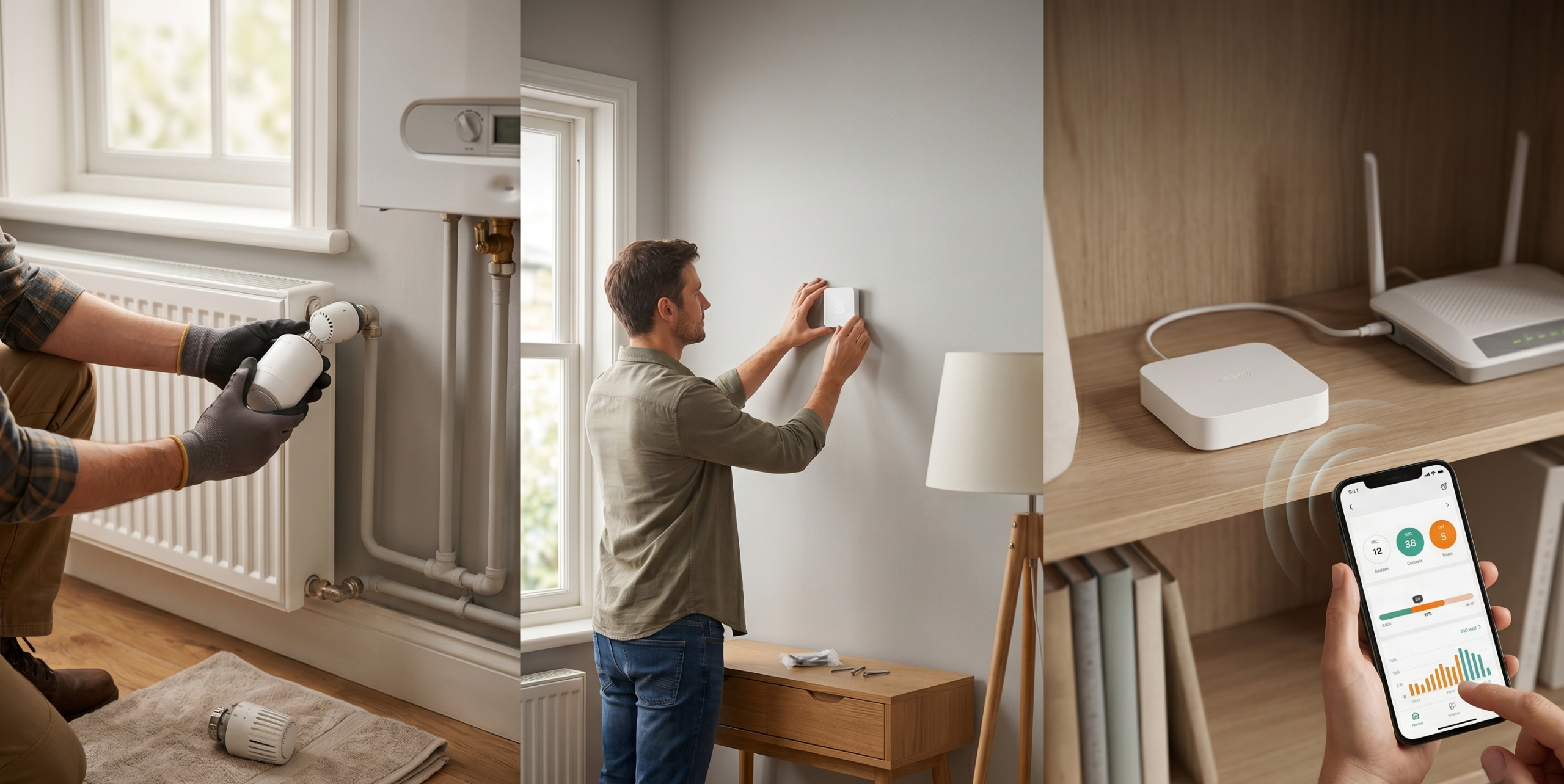
First, you unscrew the old manual head from the radiator. Most European radiators use an M30x1.5 millimeter thread. You screw the new wireless thermovalve directly onto this existing thread. You do not need to turn off the main water supply, and you do not need to empty the water from the boiler.
Fixing the wall sensors
Wall thermostats operate on batteries, so you do not need to cut holes in the wall for electrical cables. You can attach them to the wall using basic screws or strong double-sided tape. For the most accurate numbers, place them 1.5 meters above the floor. Keep them away from direct sunlight, open windows, and hot lamps.
Connecting the Network
All devices connect to a central smart hub using radio signals. This hub connects to your internet router. You download a mobile application on your smartphone to control the whole system and set up your daily schedules.
Smart functions for energy saving
Once the devices are connected, the system uses simple algorithms to manage the climate and save energy.
Daily and weekly schedules
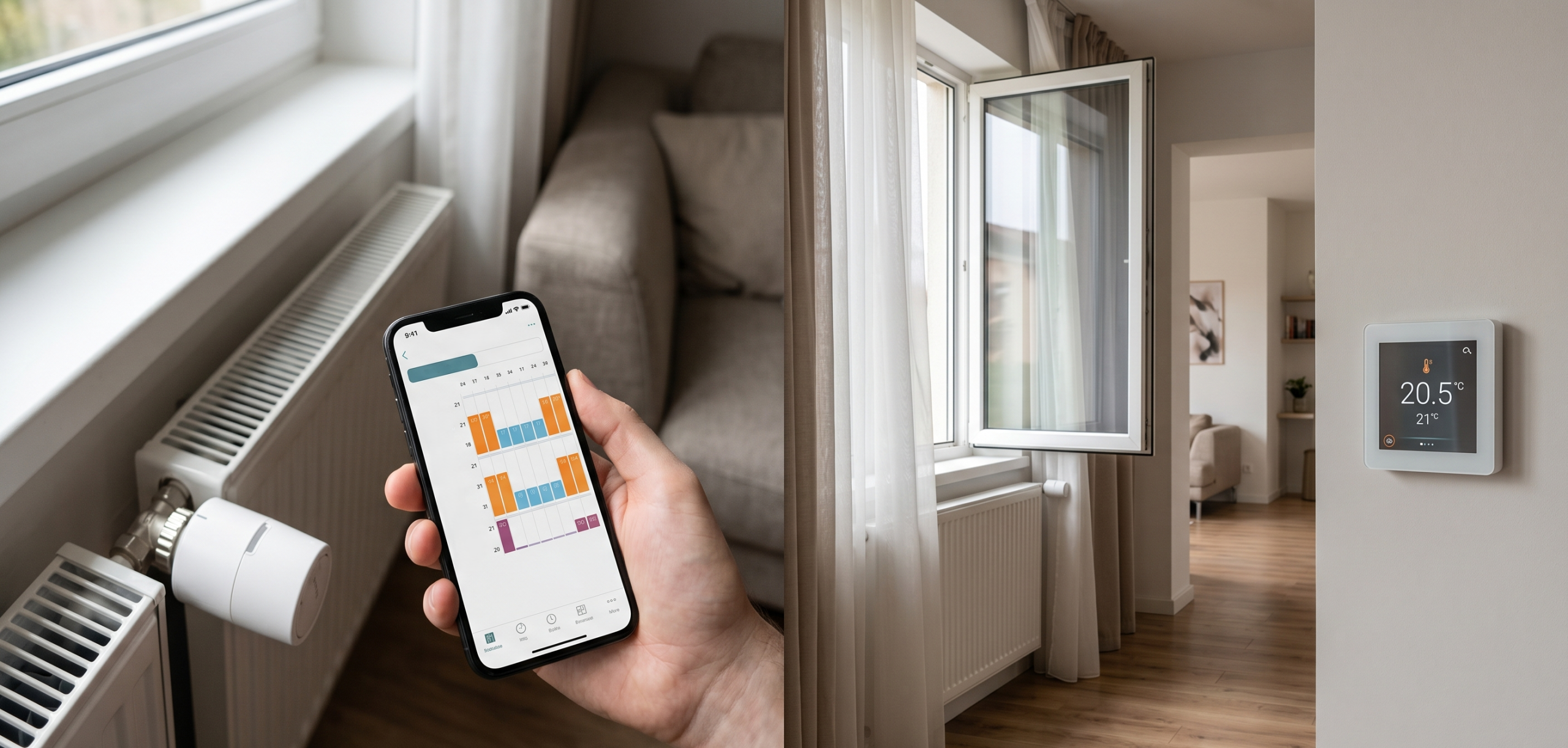
The mobile app lets you create a specific timeline for each room. For example, you can set the bathroom to 23 degrees Celsius at 07:00 AM. At the same time, the bedroom drops to 18 degrees Celsius. At 09:00 AM, when everyone leaves the house, the system lowers all rooms to 16 degrees Celsius. This stops the boiler from wasting gas or electricity on an empty house.
Open window detection
Many wireless valves have a specific built-in function. If the sensor notices that the heat drops by 2 degrees in 3 minutes, it registers an open window. The motor then automatically closes the radiator valve for 15 to 30 minutes. This stops the boiler from heating the street while you let fresh air into the room.
Smart regulation
Advanced thermostats calculate how long it takes to warm up a specific room. If you want the living room to be exactly 21 degrees Celsius at 18:00, the system checks the current room metrics. It might open the radiator valve at 17:20. This means the room reaches the target heat exactly on time, rather than starting the process at 18:00.
The advantages of glass touch thermostats in modern interiors
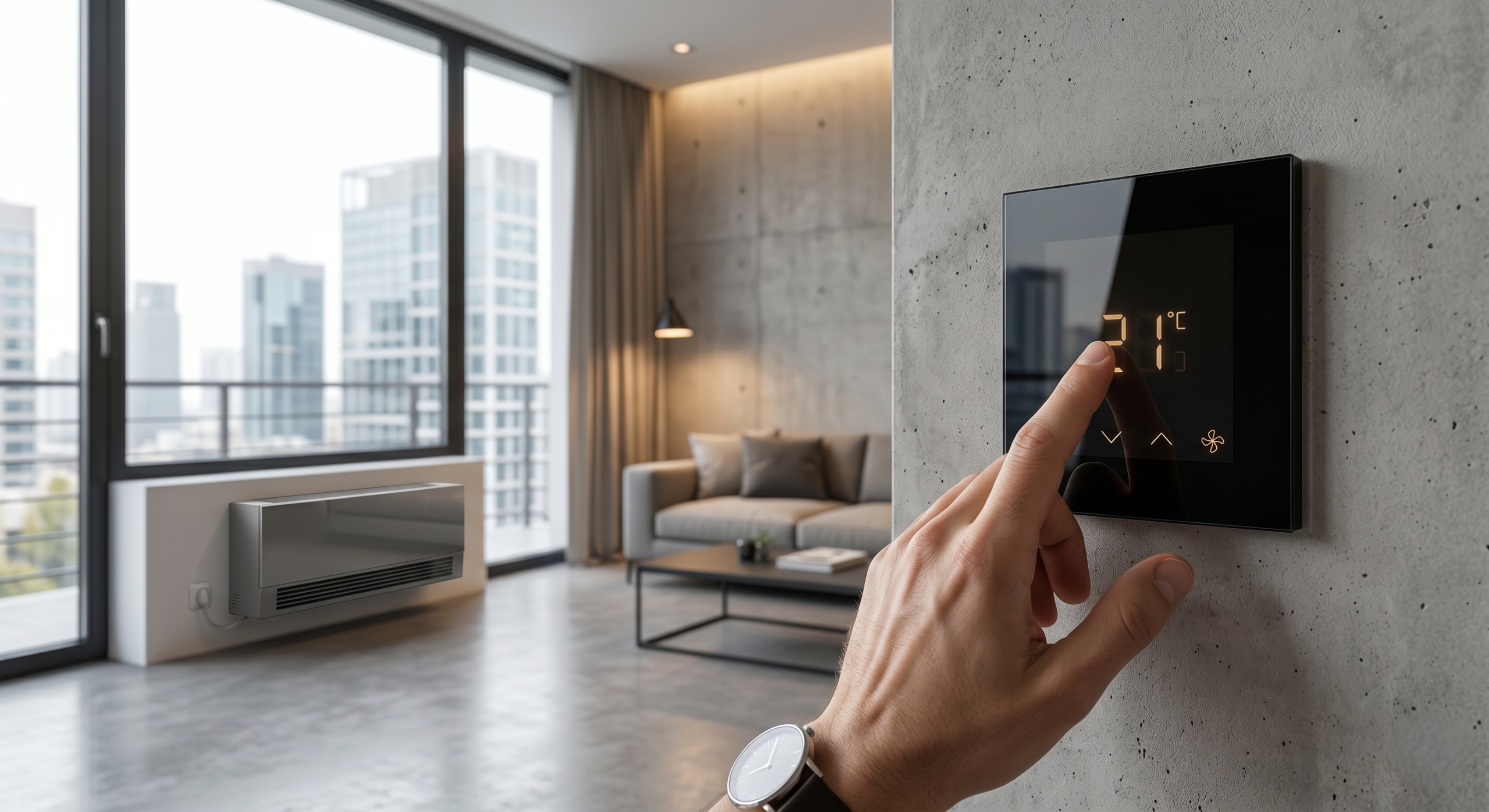
These devices have flat glass screens with touch buttons. They come in simple designs, like sharp black or white glass. When you do not touch the screen, it stays dark and looks like a simple decorative square on the wall. When you touch it, the screen shows the current numbers. Because they have built-in relays, some models can directly control smaller electric heaters or fan coils.
Managing underfloor systems alongside radiators
Many modern homes use a combination of different systems. You might have underfloor water pipes in the bathroom and standard radiators in the bedrooms. A wireless system manages both types at the same time. The central hub receives data from the bathroom’s wall sensor and tells the switch unit to open the underfloor circuit. At the exact same time, it can tell the bedroom’s thermovalve to close.
Setting a different heat level for every room requires replacing manual valves with battery-powered thermovalves and adding wall-mounted glass sensors. These specific devices use radio signals to communicate. They physically control the flow of hot water to each radiator based on exact schedules in a mobile app. This hardware setup lets users maintain specific heat settings for sleeping, playing, and living spaces, following standard physiological guidelines and daily occupancy times.