





The arrival of spring marks the end of active boiler operation across most European residential properties. While immediate gas and electricity consumption drops during these warmer months, the off-season provides the optimal technical window to upgrade internal equipment before the next winter cycle begins. Upgrading climate controls now prevents emergency installations in November when installer schedules are full.
When faced with high winter utility costs, property owners often consider expensive structural renovations, such as adding external insulation to old masonry walls or replacing a standard boiler with a ground-source pump. These construction projects require thousands of euros and take years to pay for themselves. A much faster and strictly mechanical method to lower monthly bills is managing your indoor environments directly.
The physics of thermal transfer
The basic law of thermodynamics regarding thermal loss is straightforward: the principle of heat exchange. The speed at which your house loses energy depends entirely on the difference between the indoor and outdoor conditions. If it is 0°C outside, keeping your living room at 24°C forces the indoor warmth to escape through your solid walls and windows much faster than if you set the target to 20°C.
Older properties, typically built from solid brick, blockwork, or pre-cast concrete panels, absorb a massive amount of thermal energy. If you keep the indoor climate too high, your heating source must heat constantly just to replace what leaks outside. Data from the European Commission indicates that lowering a room’s target heat by just 1°C reduces total boiler consumption by 6% to 8%. Dropping the thermal output by 5 degrees while you are at work heavily reduces the boiler’s workload over a standard six-month European winter.
The Zoning rule
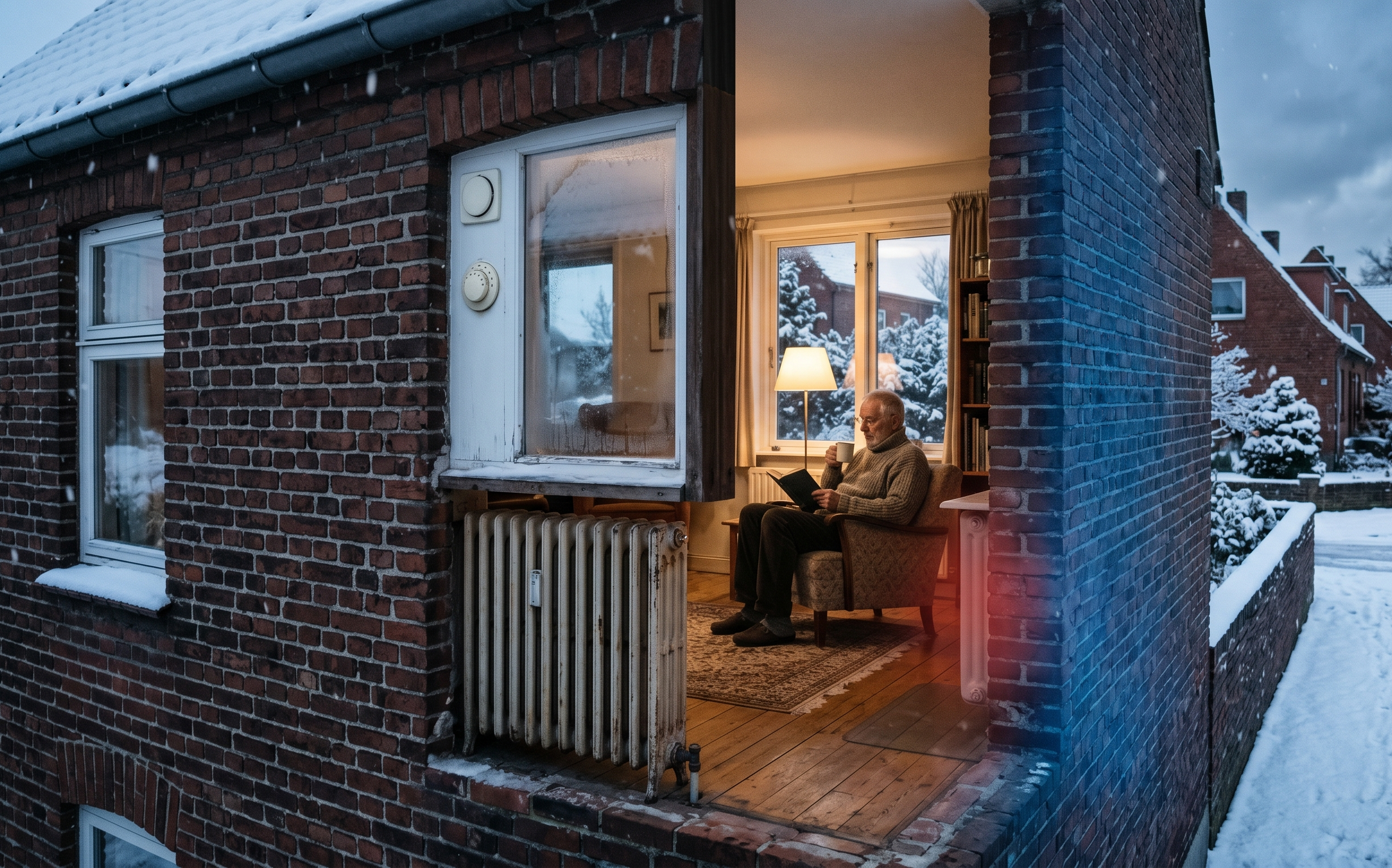
A common mechanical mistake is applying uniform climate settings across the entire property. Different rooms have different daily functions. Keeping an empty guest room or a hallway at the exact same level as your living room is a pure waste of energy.
The World Health Organization (WHO) Regional Office for Europe provides clear medical guidelines for indoor environments:
- Living areas and kitchens: 20-21°C during active daytime hours.
- Bedrooms: 18°C. A cooler room supports better adult sleep cycles and respiratory health.
- Corridors and storage areas: 15-16°C. This level strictly prevents dampness and mold without wasting energy.
- Bathrooms: 23-24°C, but strictly restricted to actual use in the morning or evening.
- Managing these spaces individually is called multi-zone climate control.

Equipment integration
European residential infrastructure relies heavily on water-based radiator networks. Trying to manage multi-zone control manually by twisting traditional valves twice a day is impractical. Relying on human memory for efficiency always fails.
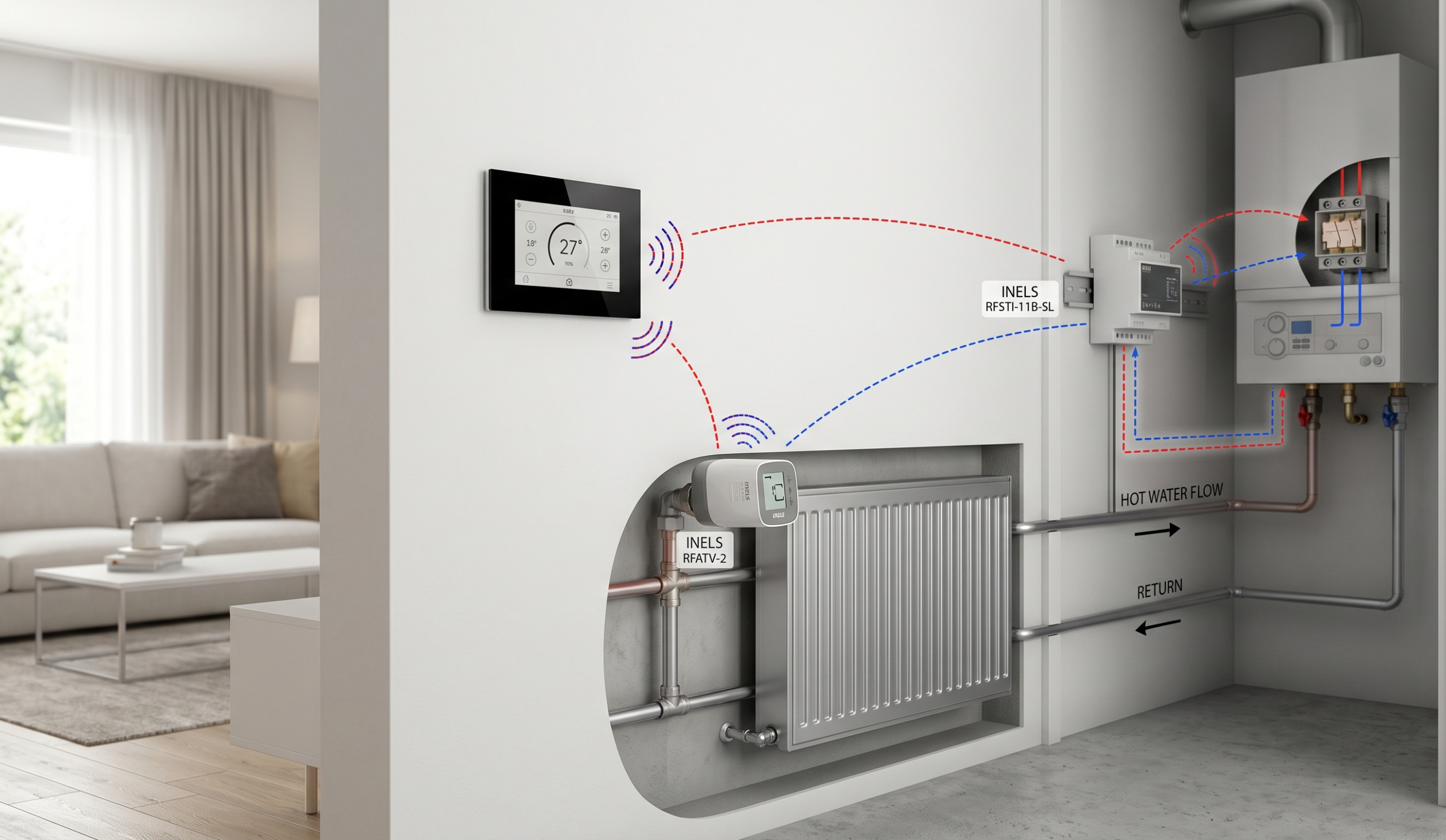
Upgrading to a smart heating system automates this entire process using a dedicated radio frequency protocol. Choosing the iNELS ecosystem allows property owners to completely digitize their climate management without drilling into walls or laying electrical cables. We provide specific components to execute different control tasks:
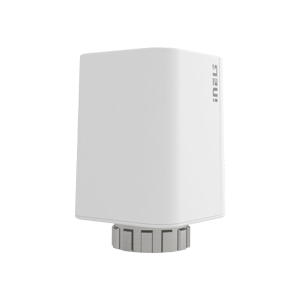
- Direct radiator control: The RFATV-2 wireless thermovalve replaces standard manual radiator heads. It fits the standard M30x1.5 thread natively. This battery-powered unit physically restricts the flow of hot water into the radiator based on commands from a central controller. If you live in a city apartment connected to district hot water, restricting this flow stops your digital thermal meter from spinning.
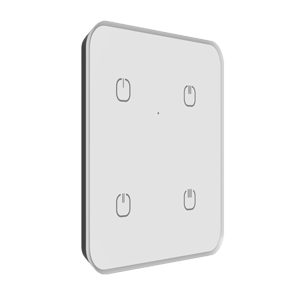
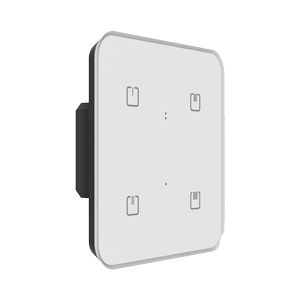
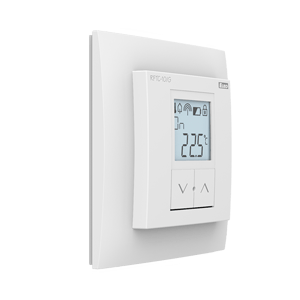
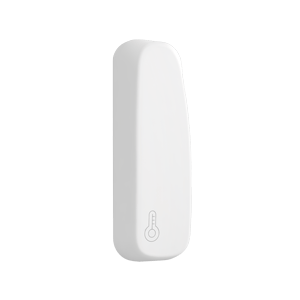
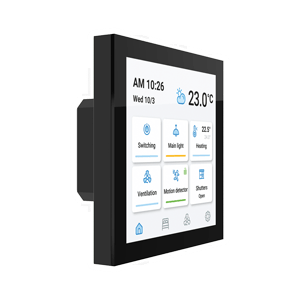
- Room monitoring: To track exact indoor conditions, users install the RFTC series. Models like the RFTC-4 (battery-powered) or RFTC-6 (with a built-in relay) function as glass zone thermostats. Available in sharp black or white finishes, these touch units mount directly on the wall. They measure the current room heat and send data back to the valves to either open or close the water supply.
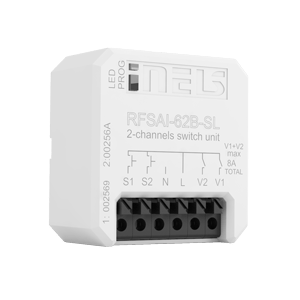
- Boiler communication: For properties with individual gas or electric boilers, the RFSTI-11B-SL switch unit acts as the final control point. It receives signals from all the room panels. When every room reaches its programmed target, this unit physically cuts the circuit to the boiler, stopping energy consumption entirely.
A standard automated daily schedule
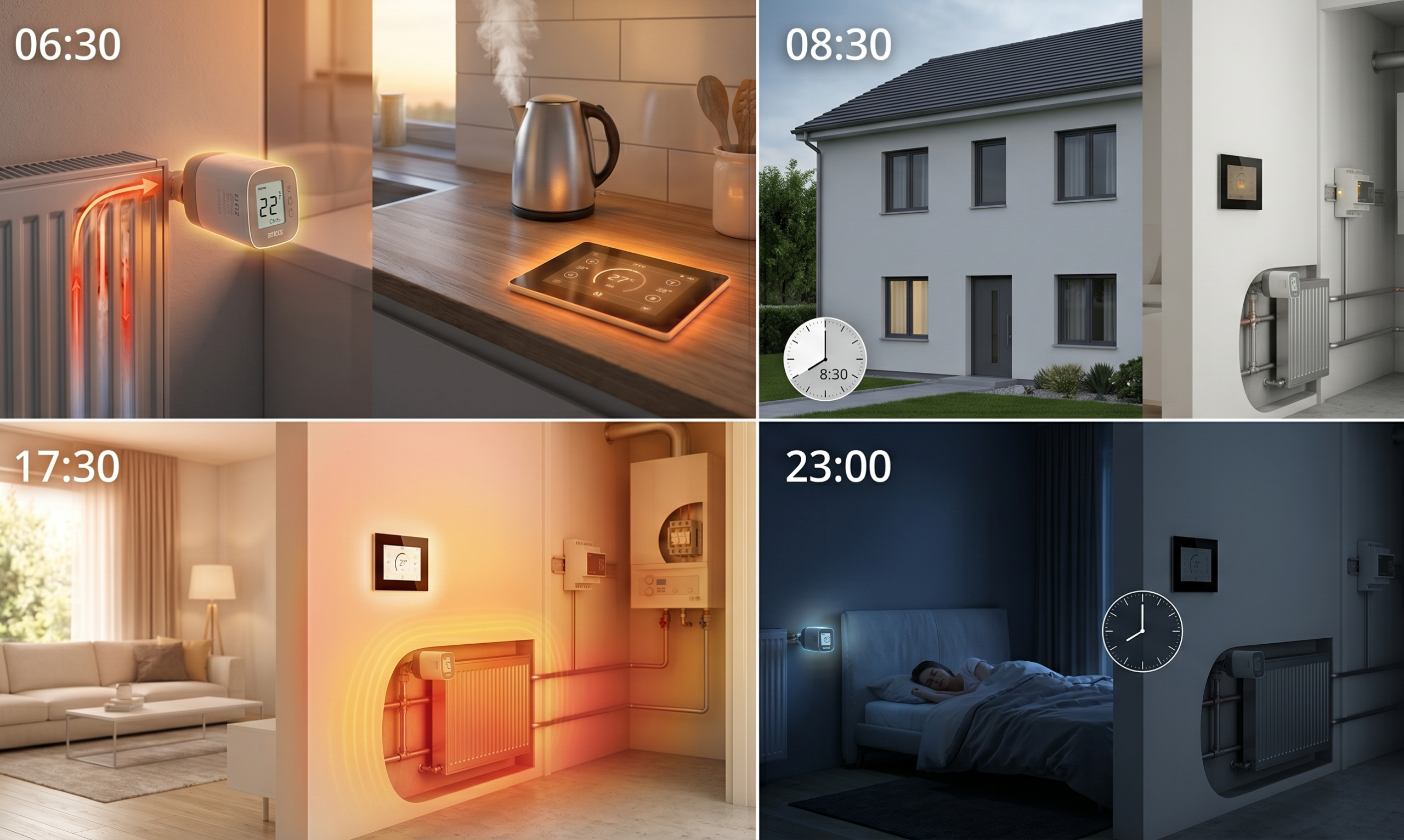
Once the equipment is installed, the programmed schedule requires zero daily effort from the homeowner. A standard winter day operates strictly as follows:
- 06:30: The RFATV-2 valves in the bathroom and kitchen open to reach 22°C before residents wake up.
- 08:30: When no one is home, the central unit drops all active valves to 16°C. The boiler enters standby mode.
- 17:30: The system initiates the warming cycle in the living room, reaching 21°C exactly when residents return.
- 23:00: Bedroom valves settle at 18°C, while living area valves close until the next afternoon.
The Hidden Factor
The physical sensation of warmth also depends on air moisture. The European standard EN 16798-1 outlines exactly how humidity affects human thermal comfort. Winter central boilers dry out indoor air. Dry air causes moisture to evaporate quickly from human skin, creating a physical cooling effect.
Due to this rapid evaporation, dry air at 22°C feels colder to a person than moist air at 20°C. By using standard room humidifiers to keep indoor moisture at a healthy 45-55%, residents can program lower target heat on their glass thermostats without experiencing physical discomfort.
Adjusting daily climate parameters is a direct mechanical method to cut energy consumption. Using digitized ecosystems to establish programmable schedules and room-specific zoning eliminates waste in unoccupied spaces. Data from EU residential energy performance audits confirms that replacing manual radiator valves with automated units reduces annual utility expenses by 15% to 30%. The exact reduction depends strictly on the building’s official Energy Performance Certificate (EPC) rating. Utilizing the spring off-season to install these components ensures that the property is fully optimized to record lower meter readings on the very first day of the next winter.